SBA News

Politics and Business

The political landscape in Barbados has been charged for months now owing to leadership issues with the main opposition party, being played out in the public sphere. The disputes and divisions would ordinarily be seen as par for the course with any political organisation following electoral defeats. The Conservative Party in the United Kingdom recently experienced its worst loss in nearly 200 years and is currently embroiled in leadership squabbles. What makes the local scenario more acute is the near annihilation of opposition forces in the last two elections, resulting in no Parliamentary Opposition and yielding absolute power to one party.

The fact that this has occurred in Barbados, which holds astutely to traditions of democracy and civility is worrisome. Political pundits and armchair activists are predicting a 3.0 whenever elections are held. Barbados, however, can least afford a one-party state and every effort must be made to ensure this country has a healthy, functioning democracy.

From the perspective of business, a strong democracy is needed for an enabling business environment to be preserved.

The lack of democracy can lead to political instability which impacts foreign investment, primarily through its effects on investor confidence, economic predictability, and the overall business environment.

Foreign investors generally seek stable political environments to minimise risks associated with their investments. Investors rely on consistent and transparent policies regarding taxation, regulation, and trade. The absence of established democratic structures can result in a lack of checks and balances. This unpredictability can lead to a decline in foreign direct investment (FDI), as businesses may choose to invest in countries where they perceive a more stable and predictable political landscape.

A strong democracy fosters a conducive business climate. Political instability can lead to disruptions in policy implementation, affecting sectors that are critical for foreign investment, such as tourism and financial services. For instance, Barbados' tourism sector, which is a major driver of its economy, relies heavily on foreign investment and visitor confidence. Any signs of unrest or instability can negatively impact tourist arrivals, further affecting the economy and investor sentiment.

Investors typically look for environments that promote sustainable economic policies and reforms. The current political landscape may hinder the development of comprehensive economic policies that stimulate innovative ideas and reforms necessary for economic resilience and growth.

Without looking too far, there are several examples among CARICOM member states where the lack of an effective democracy and political turmoil spurred a fallout in business activity.

Examples have been recorded in Jamaica in the 1980s, where the country experienced a severe economic crisis due to political tensions and policy uncertainty. This later led to a decline in foreign investment and economic growth. Trinidad and Tobago in 2010, experienced a political crisis leading to a period of policy uncertainty and delays in decision-making, which affected business confidence and investment. Haiti has been embroiled in turmoil for years, which continues to impact their prospects for economic growth. Haiti's economy has contracted for five consecutive years, with negative growth rates projected to continue in 2024 (-1.8%). This prolonged economic downturn is primarily driven by heightened insecurity and political instability, which directly affects business operations.

Using the recent electoral crisis in Guyana, following the March 2020 general election as a case study, one can see the economic impact of political instability. This turmoil resulted in delays for numerous projects, notably in the oil sector. Investment decisions by major companies like ExxonMobil were temporarily stalled as the government grappled with a deeply divided political landscape. These delays impacted the country's burgeoning oil economy, which relies heavily on timely approvals for exploration and production activities.

As reported by InewsGuyana, investor confidence declined in Guyana as investors expressed hesitation in committing capital to projects due to the perceived instability. The Inter-American Development Bank pointed out that political uncertainty is viewed as one of the main challenges to doing business in the country, alleviating concerns that prolonged political strife could lead to policy reversals and regulatory unpredictability.

Planned improvements to the road and transport network faced delays, which hindered logistics and supply chain operations for businesses, particularly in agriculture and manufacturing, where timely deliveries are crucial.

Frequent blackouts and energy crisis complicated efforts to address longstanding issues with electricity supply. The Guyana Power and Light struggled to meet performance targets, deterring potential investments in various sectors, especially manufacturing.

The Georgetown Chamber of Commerce and Industry conducted a study that revealed significant declines in business activity attributable to the uncertainty. An extract from the survey showed that approximately 64% of surveyed businesses reported some form of decline in operations due to political uncertainty. This decline was characterised by varying degrees of impact on business activity, highlighting the pervasive nature of the unrest across different sectors.

Among the businesses that experienced a downturn:

   - 85% reported a decline of 25% to 50% in their level of commercial activity.

   - 15% experienced an even more severe decline, reporting drops between 75% to 100% in business activity. This stark differentiation underscores how severely the political environment affected business health during this period.

Though the aforementioned examples may appear extreme to some, it is not impossible for there to be disruption in our way of life if democracy is threatened. Business owners need therefore to pay attention to the current political shenanigans and appreciate the implications of this on our business environment if not curtailed.


Formalising the Fishing Industry

The damage to the fishing sector from Hurricane Beryl in June this year is still being assessed. Understandably, there have been calls for boats and other equipment to be insured, for there to be levies imposed that can help to finance improvements in the sector and better access to financing for practitioners to invest in new equipment and capacity building.

Generally, what is required is the formalisation of the sector considering its importance to the lives and livelihoods of scores of Barbadians. The contribution to economic and social development will be easier quantified through formal systems of operation.

While this is ideal, administrators and policymakers in the small business sector know there will always be some level of informality in the sector. This must be accounted for in development planning. No economy will ever have 100% formalisation in its private sector; however, the goal should be to employ realistic strategies to ensure that business owners are incentivised to formalise their operations and that an enabling regulatory regime is in place to facilitate this. 

The recent work therefore by the Western Fisherfolk Community organisation in partnership with the Division of Fisheries, the Small Business Association of Barbados and other stakeholders, must be commended. Not only did this team focus on delivering relevant training solutions to assist practitioners in the sector to build capacity and strengthen their managerial skills, they also looked pragmatically on how these business owners can mitigate risk and access development assistance available through formalising their operations.

For several weeks in July and August, representatives from the Barbados Revenue Authority and the COB Cooperative Credit Union, collaborated with the team to organised capacity building interventions for the island’s fisherfolk community. This initiative focused on providing assistance with two basic functions in business – registration as a legal entity and acquiring the necessary tax identification status, and the setup of a corporate account with a financial institution to facilitate better management of receipts and payments. Both the BRA and COB Credit Union are to be commended in this effort towards bringing a level of structure and formality to those operating in the sector. In the words of Churchill, ‘you should not allow a crisis to go to waste’.

This effort, though necessary, does not address the wider issue of a focused agenda on formalising aspects of the micro sector.

This was contemplated in the now defunct National Policy Framework for the Development of MSMEs. Appreciatively developed in 2017 to address the business environment at the time, some improvements are needed at present considering the many exogenous issues that have been affecting the economy. To be governing, however, without a policy framework defies best practice in governance and management. Using the rubric of SMART objectives, it is impossible to know what are the specific and measurable objectives for the sector and equally, to assess if the current action items are attainable, realistic or what is the timeframe for achievement.  

To address the issue of helping firms to transition from informality to formal structures the Policy Framework portended a number of initiatives including, transitioning businesses through the provision of a set of relevant incentives; and the introduction of a data collection mechanism to enable evidence-based decision making, among other areas. The point on data collection would influence the cultural shift required in using data to inform policy and other critical decisions in development planning. 

A review of the policy underscored that the regime sought to reduce the number of persons operating without legal status, not benefiting from the development assistance available and not captured in the overall reporting on economic activity.

One objective focused on the formalisation of micro businesses through the following policy initiatives:

  • Facilitate an increase in the number of business registrations by providing an exemption from the first band of taxable income;
  • Facilitate the ease of business registration through an online facility and the creation of a central repository of data on business registrations; and
  • Business owners will be required to honour their statutory obligations, specifically as it relates to their National Insurance contribution, to retain the benefits associated with the business registration status attained.

Another objective highlighted the significance of data collection. Data on businesses within each classification will be collated annually through a centralised information management system. This will enable research to monitor evolving and existing industries and the associated economic activity, inter alia, size of the firm, structure, impact on resources (imports and exports), and industry financial performance. Other areas include additional information on the MSME sector useful in facilitating a timely implementation of policy and/or legislation and investment.

In a well-functioning economic system, an established centralised information management system to facilitate the annual collation of data on businesses would be in place to address the issues of programming and development for the sector.

The issues with the fishing community should be a wake-up call that some sections of the economy need intervention to formalise their operations. Had this been done, after the devastation caused by Beryl, an assessment of the impact on the sector could have been easier done relative to the level of insurance coverage in place, the capitalisation needed for recovery, and anticipated loss of economic activity during the recovery period.

A clarion call is therefore being made to bring a greater level of strategic focus to policy and programming in the small business sector.

Getting Youth into Entrepreneurship

There is a persistent call for the youth to be engaged in entrepreneurial activity, not just as a strategy to address youth unemployment but more so to unlock the innovation and creativity that exist among young people to create new industries and transform existing ones.

The literature is rife with research done in emerging economies that addresses the question of the value of young people in entrepreneurship and the significant potential to contribute to economic and social development. It goes beyond a hypothesis.

The Youth Business Caribbean initiative and its associated Trusts play a crucial role in fostering youth entrepreneurship in Barbados and the wider Caribbean. By providing financial support, training, mentorship, and resources, these organisations help young people overcome barriers to starting and sustaining their businesses. The focus on social enterprises further enhances the potential for economic growth and development in the region. As youth unemployment remains a pressing issue, these initiatives are vital for empowering the next generation of entrepreneurs and contributing to sustainable economic development.

Other agencies including the Youth Entrepreneurship Scheme and UWI’s SEED programme in Barbados, as well as several accelerator & incubator initiatives around the region, contribute to the business support apparatus to facilitate youth in business.

Despite all this, there appears to be a widening gap in the number of youth people in our communities that are unemployed and underemployed more so than starting their own businesses.

A Global Entrepreneurship Monitor report on "Creating Space for Entrepreneurship to Become a Driver of Growth in Barbados – A Policy Imperative" provides valuable insights into the state of youth entrepreneurship in Barbados and highlights several relevant factors that influence the entrepreneurial landscape.

The report proffered that the youth unemployment rate in Barbados exceeded 30%, highlighting a critical need for entrepreneurship as a means of economic self-sufficiency for young people. The high unemployment rate underscores the importance of stimulating entrepreneurship to create job opportunities. Incidentally, youth unemployment has been highlighted as a major challenge to economies in the region.

Key findings from the report include:

  1. Entrepreneurial Framework Conditions:
  • Barbados faces weaknesses in its Entrepreneurial Framework Conditions, which impede the full development of its entrepreneurial potential. This includes limited access to financing, inadequate support for new and growing firms, and inefficient bureaucratic processes.
  • The document emphasises that societal attitudes toward entrepreneurship are favourable, but fewer Barbadians view entrepreneurship as a viable career choice compared to averages in Latin America and the Caribbean.


  1. Early-Stage Entrepreneurial Activity:
  • While there is a relatively high level of early-stage entrepreneurial activity among young adults, the ratio of nascent entrepreneurs to new business owners is low. This suggests that while many young people may be interested in starting businesses, fewer successfully transition into becoming established business owners.
  1. Innovativeness and Growth Ambitions:
  • Most early-stage ventures in Barbados are characterised by low innovativeness and modest growth ambitions. This lack of ambition can hinder the overall economic impact of youth entrepreneurship.
  1. Policy Recommendations:
  • The report outlines several policy recommendations to enhance entrepreneurship, including improving the entrepreneurial environment, integrating entrepreneurship into education at all levels, promoting innovative business ideas, and developing a national entrepreneurship policy.
  • It stresses the importance of fostering an entrepreneurial culture and mindset among youth, which is crucial for increasing participation in entrepreneurship.
  1. Education and Training:
  • There is a recognised need for better entrepreneurship education at the primary and secondary levels. The integration of entrepreneurship into the educational curriculum is seen as essential for nurturing future entrepreneurs.
  • At the post-secondary level, while there is some adequacy in preparation for starting businesses, further improvements are needed to enhance entrepreneurial skills among youth.
  1. Societal Attitudes:
  • Although societal attitudes towards entrepreneurship have shown some improvement, with more Barbadians recognising entrepreneurship as a desirable career choice, there remains a gap compared to other Caribbean countries. This indicates a need for continued efforts to promote the status of entrepreneurship in society.

The GEM research suggests that while there is a foundation for youth entrepreneurship in Barbados, significant challenges remain. Weak entrepreneurial framework conditions, low levels of innovativeness, and a high youth unemployment rate highlight the need for targeted policies and support systems. Enhancing education, fostering a positive entrepreneurial culture, and improving access to resources are critical steps needed to increase the success rate of young entrepreneurs in Barbados and ultimately drive economic growth.

Beyond the need for an enabling regulatory framework, some low hanging fruit exist that can be easily addressed to close the gap. An obvious first step is to strengthen existing agencies catering to youth entrepreneurship. This includes greater capitalisation to fund expanded programming and resources, and SMART initiative that address critical areas of development. Further improvements include incentives for innovation and monetisation – innovation and invention type national competitions can be used to start the process. A further area that has been advocated for some time by the SBA and others, is the introduction of entrepreneurial training in the primary and secondary school system. The institutionalisation of entrepreneurial learning can contribute to the cultural change needed to birth new generations of citizens.

Every effort is needed at present to ignite young people and get them involved in entrepreneurial activity as a part of the strategic direction for the country.

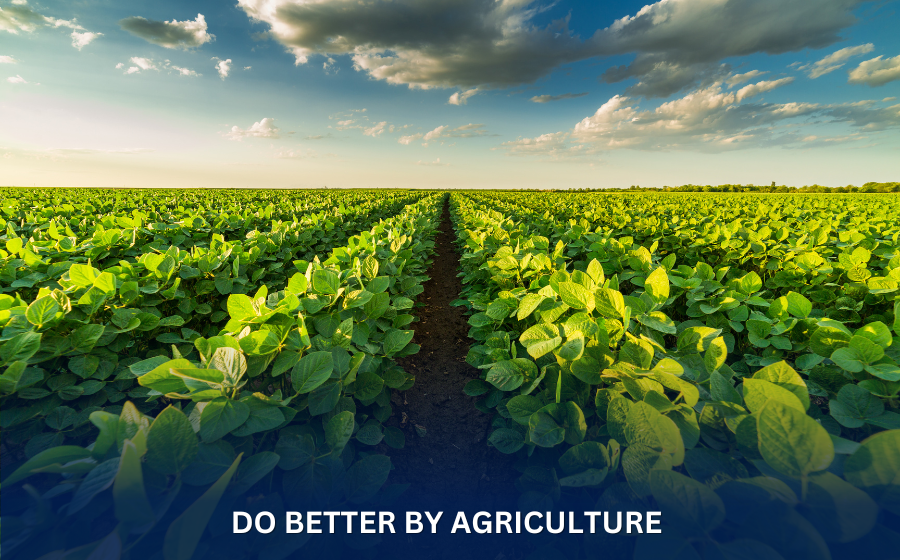
Do Better by Agriculture

The agricultural sector has proven itself! Arguably, the sector was more resilient than the traditionally revered tourism and hospitality sectors, during the recent COVID-19 pandemic. Local agricultural production can be relied upon to satisfy the food needs of the population and visitors, during other exogenous shocks and displacement from global supply chains disruptions.

It therefore makes sense for any country to focus on having a viable agricultural sector, if only for the basic need of food security.

Within the context of business modeling and marketing theories, the agricultural sector may not be seen as a cash cow or star but nonetheless it is required to support sectors such as tourism and manufacturing, and sustain the nutritional needs of citizens. 

Programmes like FEED (Farmers Empowerment and Enfranchisement Drive) which aim to boost local agricultural production, reduce food imports, and enhance food security, have enjoyed marginal success. Whereas these interventions present opportunities for small farmers to increase their output, they do not go far enough in engaging young people in agriprenuership and contributing to the overall reduction in the food import bill.

A viable agricultural sector must address several critical areas inter alia, the sustainable use of land and natural resources, the contribution to healthy and affordable food for the population thus reducing the import bill, and the ability to enhance the livelihood of persons through job creation and actualisation. As an industry, agriculture can improve the labour market through the development of scalable and quality skills. Annually, these areas of focus should be assessed with quantitative and qualitative data to measure growth and improve as required.

A scan of the market at present suggests that while some programmes are in place to build capacity, there is much more to be done in areas such as financial assistance and capacity building for farmers, technological advancements, access to land and water, and the creation of an enabling policy framework.

Admittedly, programmes like the Agricultural Development Fund provide financial support for small firms in agriculture, facilitating access to necessary resources and technology. A grant scheme should be considered, particularly for those new entrants in the market, supported by the relevant training in business management.  

Small farmers must be encouraged to adopt mechanisation and modern agricultural practices to enhance productivity. This includes the use of advanced machinery and irrigation systems, which can help reduce labour costs and improve yields.

The Government and organisations like the Inter-American Institute for Cooperation on Agriculture (IICA) must go further in promoting the adoption of climate-smart technologies, which can help farmers manage water resources and improve resilience against climate change.

A review of the investincaribbean.org website suggest a recognition by the donor community and some regional Governments of the feasibility in investing in agricultural programmes. The CARICOM initiative 25-by-25 underscores the Caribbean’s desire to increase local agricultural production and reduce dependency on imported products. This shift creates significant opportunities for investment in agribusiness and the AgTech industry, attracting global investors.

Between 2003 and 2020, 26 agribusiness projects with a foreign direct investment (FDI) volume of USD$919.1 million were implemented in the Caribbean. This indicates a growing interest in the region's agricultural potential.

The Caribbean market is valued at USD$369 billion, with 30 million local consumers and an additional 30 million affluent visitors annually, creating a robust demand for local agricultural products.

Investors are increasingly focusing on high-value crops, such as mushrooms, which are profitable for export. This trend highlights the potential for small businesses to engage in niche markets that cater to both local and international demands.

Events like the Agri-Investment Forum and Expo held in Guyana in May 2022, aimed to highlight investment opportunities and promote agricultural independence. Organised by the Government of Guyana and CARICOM, the forum focused on addressing food insecurity, improving regional transportation, and supporting agricultural projects led by women and youth.

Even multilateral agencies have been eyeing the potential of the region’s agricultural sector. The World Bank invested some USD$25 million for the Belize Climate Resilient and Sustainable Agriculture Project to increase food production capacity and implement climate-resilient technologies. Millions were invested by the Inter-American Development Bank (IADB) in sustainable agriculture development across the region. Compete Caribbean hosting of an Agri-Tech Challenge, providing up to USD$120,000 in customised technical assistance to award recipients. They also organised webinars to discuss various ag-tech investment opportunities in the Caribbean’s agribusiness sector.

The IADB produced the AgTech Innovation Map, which serves as a resource for understanding investment opportunities in Agtech throughout Latin America and the Caribbean.

These insights underscore the need to enhance local agricultural production through investment in agribusiness and technology. The region's initiatives aim to create a sustainable agricultural sector that can meet local demands and compete in global markets, providing significant opportunities for small businesses. Admittedly, the 25-by-25 initiative has to be reviewed and revised, however a regional goal of reducing the food import bill should remain, with a finite and realistic timeframe to achieve.

Many countries may not be in a position like Guyana to invest approximately $1.8 billion in grants which according to the Guyana Chronicle, has unlocked over 5000 small businesses nationwide, in developing their own agribusiness. However, the policy instrument is available to all Governments to carve out a space for modern forms of agricultural initiatives that can address the need for innovation, increase food production, and provide opportunities for youth employment.

The Public Sector as a Trade Facilitator

Governments do not trade!

This statement has been echoed by public and private sector representatives alike, academics and administrators, often to make the case for why the private sector should do more to drive economic growth in the country. The other side of this equation is however, not often discussed but must be equally appreciated - though Governments do not trade, they are the facilitators of an enabling environment for trade. As such the role of the public sector is similarly important to the level of economic activity in the country and the degree to which goods and services are traded domestically and exported to other markets.

The following five key areas reflect what the private sector needs Governments to do effectively to enable the sector to enhance trade.

  1. Improve Trade Facilitation

Improving trade facilitation and related measures should be a central aim of the Government's support strategy. Much research has been done and lobbying by business support organisations for key aspects of business facilitation to be addressed over time. Suggested improvements include reducing import duties, streamlining customs procedures, and upgrading logistics infrastructure.

Reducing import duties and providing tax incentives aligns with Barbados’ ongoing efforts to support sustainable practices and improve trade. Admittedly, Barbados has been making strides in modernising customs processes through systems like ASYCUDA (Automated System for Customs Data), which helps streamline customs clearance. Investments in port and logistics infrastructure, such as the modernisation of Bridgetown Port and enhancements at the Grantley Adams International Airport, support trade facilitation by increasing efficiency and capacity. Continuing to upgrade logistics infrastructure supports efficient trade.

  1. Negotiate Trade Agreements

Trade agreements that are enabling must be negotiated to provide a platform for private firms to effectively pursue internationalisation strategies and expand into new markets to earn foreign exchange. Some effort has been made at the regional and global levels to improve international economic integration. Government must ensure the tenets of these agreements are not more favourable to foreign goods and services at the detriment of the domestic private sector. Additionally, the critical step of sensitising firms to the trade agreements must be followed to encourage businesses to access the opportunities afforded for trade.

Barbados participates in several regional trade agreements and has entered into the Economic Partnership Agreement (EPA) with the European Union since 2008 with the CARIFORUM block. The country is also active within the WTO framework, engaging in negotiations that enhance global economic integration.

Actively negotiating and implementing new trade agreements to expand market access ensures that Barbadian businesses can compete internationally.

  1. Strengthen Institutions

Barbados has demonstrated investment in human capital and institutional strengthening, including training, education initiatives, and technological research and development. The Government has initiated programmes to develop human capital, with a focus on education, training, and technological development. An example is the work being done by Export Barbados (BIDC) to offer various training programmes and support services that build business capabilities for participating in international trade. This must be further expanded with a focus on the key and relevant skills needed for new sectors and industries.

Additionally, investments in digitalisation and public sector modernisation by entities like Barbados National Standards Institution aim to uphold product standards and support market access.

  1. Leverage Public-Private Partnerships

Leveraging public-private partnerships (PPPs) can foster collaborative projects, provide trade finance, and promote economic diversiafiaction. Continued investment in PPPs can further develop critical trade-related infrastructure and leverage private sector expertise and investments for infrastructure development. Establishing public-private advisory councils could bridge gaps and foster dialogue, ensuring that policy decisions are informed by private sector feedback and expertise. Active involvement of the private sector in designing business facilitation initiatives ensures that policies are relevant and effective.

PPPs also enable credit and capital access, expanding access to credit, particularly for SMEs, through loan guarantees and venture capital funding. Alternative Financing Options including crowdfunding and peer-to-peer lending can diversify financing sources.

Considerable work is needed to enable private sector expansion in other areas of economic activity. Government can provide incentives for non-traditional exports and investment in emerging industries to broaden the economic base beyond tourism. PPPs can support greater skills development and research & development programmes for competitiveness in new industries.

  1. Enhance the Business Environment

The core argument for increased trade is the creation of an enabling business environment. Efforts to streamline regulations, improve access to finance, and enhance the legal framework can create a better business environment. Streamlined regulatory processes, digitisation and automation of government services can reduce bureaucracy and improve efficiency. This aligns with efforts to modernise services and reduce delays. Greater coordination between government agencies ensures a seamless experience for businesses.

Competition and consumer protection is another aspect of the enabling environment. Regular reviews and updates to competition and consumer protection regulations ensures that the business environment remains transparent and fair. Implementing reforms to state-owned enterprises to increase private sector participation can enhance productivity and efficiency in service delivery. Establishing regular forums for the private sector to provide feedback can inform better policy decisions.

The business case can be made from the aforementioned analysis for the public sector’s facilitation of trade. Greater examination of policies is needed to ensure they are enabling; initiatives for diversification and partnership can spur economic activity, and institutional and regulatory reforms will serve to encourage increased trade by the private sector.

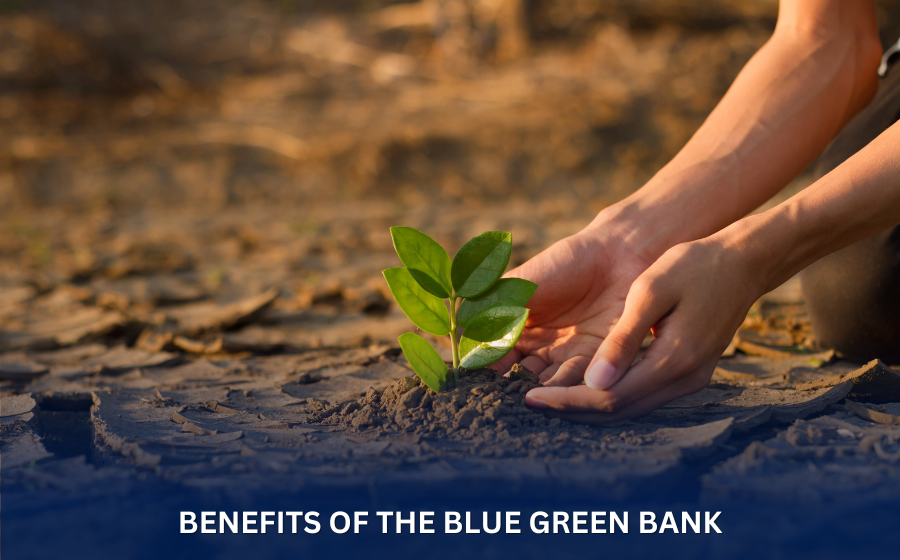
Benefits of the Blue Green Bank

The financial landscape in Barbados is set to benefit from a new entrant. Recently there was the introduction of the African Import & Export Bank, which may be followed by other retail banks from the African continent. With the passage of the Bill in Parliament to launch the Blue Green Bank, (BGB), another financial institution is poised to occupy the development financing space.  

Based on the Green Climate Fund’s synopsis of the BGB, the Bank’s purpose and mission is to reduce the cost of financing for projects that strengthen climate resilience and respond to climate change impacts. This aligns with the broader goal of making green and climate-resilient investments more accessible and affordable for small businesses.

The funding and capitalisation of the Bank includes USD$30 million each from the governments of Guyana and Bahamas, as well as USD$15 million from the Resilience and Sustainability Trust (RST) of the International Monetary Fund (IMF). This substantial capitalisation will provide the necessary resources to fund the Bank's operations and lending activities.

The BGB was developed in collaboration with the Green Climate Fund (GCF) and the IMF's RST. This partnership with major global financial institutions lends credibility and additional funding sources to the Bank's initiatives.

The United States Agency for International Development (USAID) has agreed to provide USD$5 million in technical assistance to help conceptualise and bring the BGB project to fruition. This support can benefit small businesses by improving their capacity to access and utilise the Bank's offerings.

The BGB is envisioned as an institution that can serve the broader Caribbean region, not just Barbados. This regional focus allows the Bank to leverage resources and expertise to support small businesses across multiple countries facing similar climate challenges.

The BGB will work in collaboration with other financiers to lower the cost of funding climate-resilient and green projects. This collaborative approach can further enhance the support for the region’s private sector.

The issue of small business financing is a perennial one with data showing conclusively that this is the number one impediment to SME growth and transformation. A vibrant entrepreneurial ecosystem is one that includes a myriad of financing solutions for the sector – debt, equity, grants and development financing. Since the closer of the Barbados Development Bank three decades ago, there has not been any development financing instruments to fill the gap. The BGB portends to close this gap.

Small businesses can expect a number of benefits from the BGB including but not limited to:

  1. Financing for Climate-Resilient Projects: The primary purpose of the BGB is to fund climate-resilient projects, which aligns with the critical climate challenges facing Barbados. This includes investments in green energy technologies, low-emission technologies, and renewable energy projects.
  2. Flexible Financing Options: The BGB will offer a range of financing products, including grants and loans, to support different types of climate-related projects. This flexibility allows the bank to cater to the diverse needs and capabilities of small firms.
  3. Lowered Financing Costs: The BGB is specifically focused on lowering the financing costs of green and climate-resilient projects. This makes these types of investments more accessible and affordable for small businesses, which often face higher barriers to accessing capital.
  4. Targeted Support for Key Sectors: There are several sectors that the BGB will target for financing, including electric vehicle conversion for public service vehicles, agricultural businesses like aquaponics and greenhouses, and climate-resilient housing and infrastructure.
  5. Partnerships with Other Institutions: The BGB will work alongside other agencies and financial institutions to provide specialised financing instruments. This collaborative approach can further enhance the support available to small businesses and drive innovation in the climate finance space.

There has been much debate at the national level about the migration to green technology, without the concomitant discussion on how this investment will be financed. The BGB is being positioned to address this financing gap. As noted by one Minister of Government, the Bank represents a paradigm shift in how Barbados approaches development, integrating climate resilience and sustainability into the core of the economic framework. This aligns with the Bank's broader mission to support the country's sustainable development and climate resilience.

Proponents of the Bank argue that there is an inextricable link between climate and development, noting that climate change impacts every aspect of life and there is need for development strategies to reflect this reality, which the BGB aims to address. Further there are comprehensive financial and policy measures, including significant tax incentives, which will accompany the launch of the BGB. These measures are designed to create an ecosystem for sustainable development, where the Bank is just one part of a broader effort to support sustainable industries and a resilient future for Barbados.

The funding proposal for the BGB identifies sustainability and scalability as key tenets for the Bank’s success. The BGB aims to attract more concessional or philanthropic providers of capital, expanding the goals of climate action in Barbados without the need for further injections of money by the Government and GCF. This will create long-term sustainability and scalability in the banking sector, with the potential to scale beyond Barbados into the broader Caribbean region over time.

Overall, the BGB represents a comprehensive and innovative approach to unlocking green investments for small businesses in Barbados. By providing flexible financing, lowering costs, and targeting key sectors, the Bank aims to enable small firms to transition to more sustainable and climate-resilient operations, contributing to the country's broader sustainability goals.

Get in Touch

Secretariat

Suite 101, Building 4
Harbour Industrial Estate
Bridgetown, Barbados

Phone

+1 (246) 228 0162

Email

theoffice@sba.bb

Follow Us

Image
Image
Image
Image